
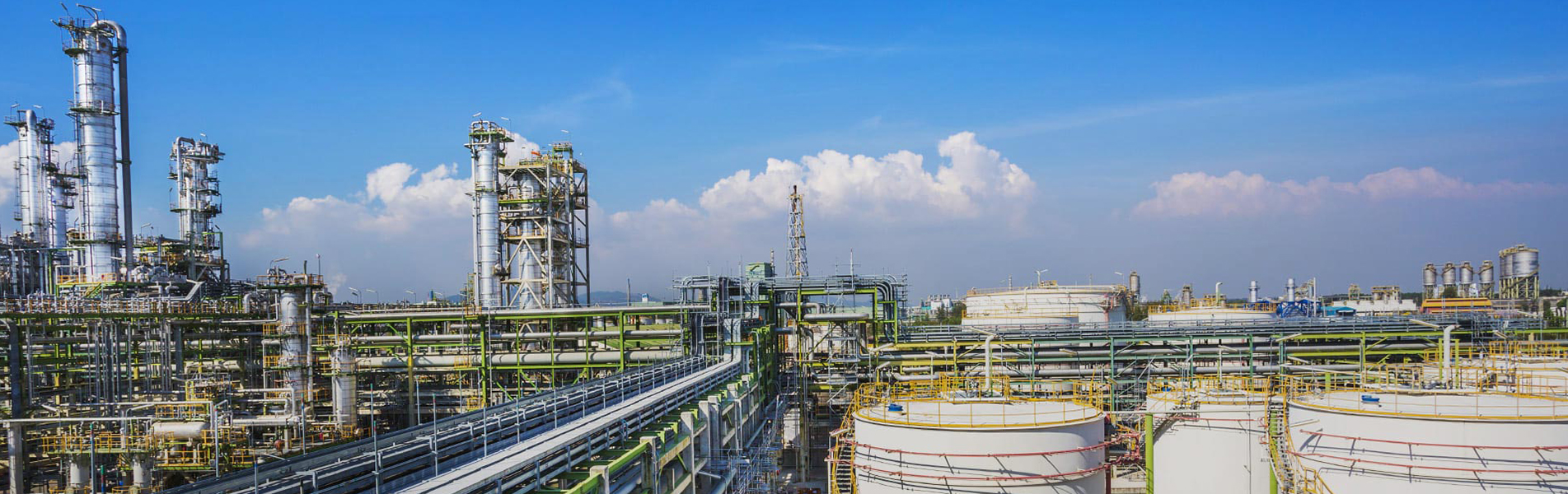
Контроль температуры — это не просто второстепенная функция в производстве литиевых батарей. Он может напрямую влиять на вязкость материала, качество покрытия, равномерность сушки, стабильность оборудования и, в конечном итоге, на эффективность производства. По мере автоматизации производства литиевых батарей и ужесточения требований к технологическим процессам производители уделяют все больше внимания характеристикам контроллеров температуры пресс-форм и другого оборудования для контроля температуры в процессе производства.
Однако, когда возникает проблема с температурой, не всегда правильным решением является немедленная замена регулятора температуры. Во многих случаях реальная проблема может заключаться в недостаточном потоке, неправильных настройках температуры, загрязнении, ошибках датчиков или неправильно спроектированной системе циркуляции.
Данное руководство посвящено нескольким распространенным проблемам контроля температуры при производстве литиевых батарей и предлагает практический подход к устранению неполадок для технических специалистов и сотрудников отдела послепродажного обслуживания.
1. Колебания температуры во время производства
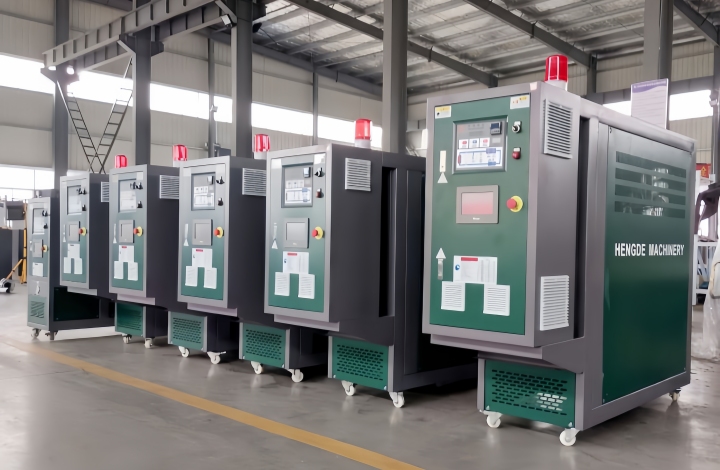
Одна из наиболее распространенных проблем — нестабильная температура процесса. Например, температура процесса может быть установлена на 80°C, но фактическая температура постоянно колеблется между 76°C и 84°C. Операторы могут сначала заподозрить неисправность контроллера температуры пресс-формы, но колебания температуры могут иметь несколько причин.
К числу распространенных вариантов относятся:
Как должны это проверить специалисты?
Начните с самых простых проверок.
Шаг 1: Сравните температуру, отображаемую на контроллере, с показаниями независимого термометра.
Шаг 2: Проверьте температуру на входе и выходе технологического оборудования.
Шаг 3: Проверьте, нормально ли работает циркуляционный насос.
Шаг 4: Убедитесь, что фактический расход соответствует требованиям процесса.
Шаг 5: Проверьте, нет ли воздуха внутри циркуляционной системы.
Шаг 6: Только после этих проверок следует корректировать параметры ПИД-регулятора или предполагать неисправность компонента контроллера.
Hengde InsightПроблема колебаний температуры часто слишком поспешно рассматривается как «проблема контроллера». На наш взгляд, специалистам следует рассматривать сочетание температуры, расхода и давления. Температура показывает, что происходит, а расход и давление часто объясняют, почему это происходит.
2. Медленный нагрев или охлаждение
Ещё одна распространённая жалоба: «Регулятор температуры работает, но для достижения заданной температуры требуется слишком много времени». Эта ситуация особенно заметна при запуске производства или при необходимости быстрого изменения технологической температуры. Перед заменой нагревателя или насоса проверьте фактическую тепловую нагрузку.
Контроллер температуры пресс-формы может обладать достаточной мощностью нагрева в нормальных условиях, но начать работать медленнее, когда:
Для технических специалистов полезным подходом является запись времени нагрева, начальной температуры, целевой температуры, температуры на входе, температуры на выходе и расхода. Это позволяет получить гораздо более ясную картину, чем просто сказать: «Нагрев происходит медленно».
3. Недостаточный поток в контуре регулирования температуры.
Проблемы с потоком могут создавать температурные проблемы, которые выглядят гораздо сложнее, чем есть на самом деле. Если поток через технологическое оборудование слишком мал, теплопередача становится неэффективной. Контроллер температуры пресс-формы может достичь заданной температуры, в то время как фактическое технологическое оборудование останется слишком горячим или слишком холодным. Проверьте следующее:
Для инженеров послепродажного обслуживания проверка потока на ранней стадии может значительно сэкономить время на устранение неполадок.
Показания контроллера, отображающие нормальную температуру, не обязательно означают, что технологический процесс получает достаточно тепловой энергии.
4. Точность и установка датчика температуры
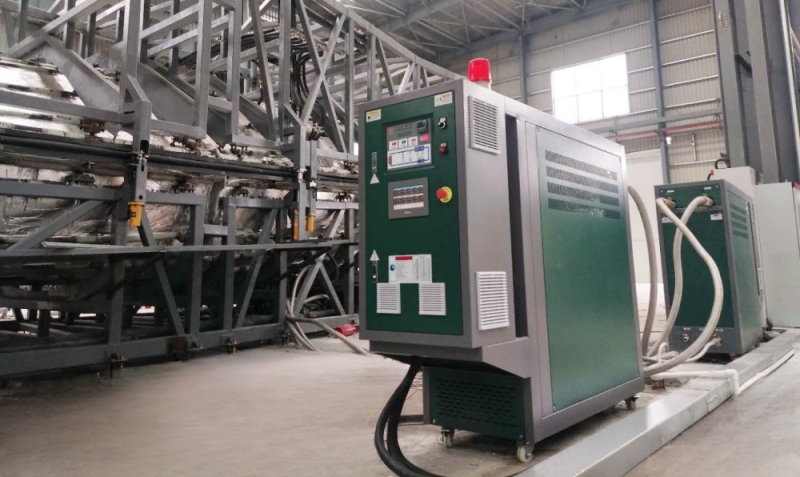
Датчики температуры — еще один частый источник неверных показаний. Датчик может работать электрически, но при этом предоставлять неточную информацию о процессе, если он установлен неправильно. Например, датчик может быть:
Простой метод поиска и устранения неисправностей. Откажитесь от предположений о процессе и сосредоточьтесь на самом измерении.
СравниватьПоказания контроллера → Независимый термометр → Вход технологического процесса → Выход технологического процесса.
Если контроллер показывает 100 °C, а независимый прибор — 92 °C, не следует сразу же изменять настройку температуры контроллера. Сначала определите, какое измерение является правильным.
Hengde InsightПри устранении неполадок в системе контроля температуры первый вопрос должен звучать не «Почему машина не может контролировать температуру?», а «Знаем ли мы фактическую температуру процесса?». Неправильный температурный сигнал может создать впечатление неисправности даже у идеально работающего контроллера температуры пресс-формы.
5. Проблемы контроля высоких температур
Для некоторых технологических процессов производства литий-ионных батарей требуются относительно высокие и стабильные температуры. Для применений, требующих более высоких рабочих температур, масляный регулятор температуры пресс-формы может быть более подходящим, чем система с водяным охлаждением.
Системы на водной основе обычно используются в процессах, требующих более низких температур, в то время как системы регулирования температуры на масляной основе могут быть выбраны для применений с более высокими температурами. Например, в зависимости от конструкции процесса:
Регулятор температуры водяной плесениПодходит для многих процессов при температуре ниже приблизительно 180°C.
Регулятор температуры масляной формыПодходит для применения при высоких температурах, некоторые системы рассчитаны на работу при температурах приблизительно 150–350 °C.
К потенциальным проблемам, связанным с высокими температурами, относятся:
Теплообменник также следует рассматривать как часть системы регулирования температуры, а не просто как расходный материал.
6. Практический пошаговый метод устранения неполадок
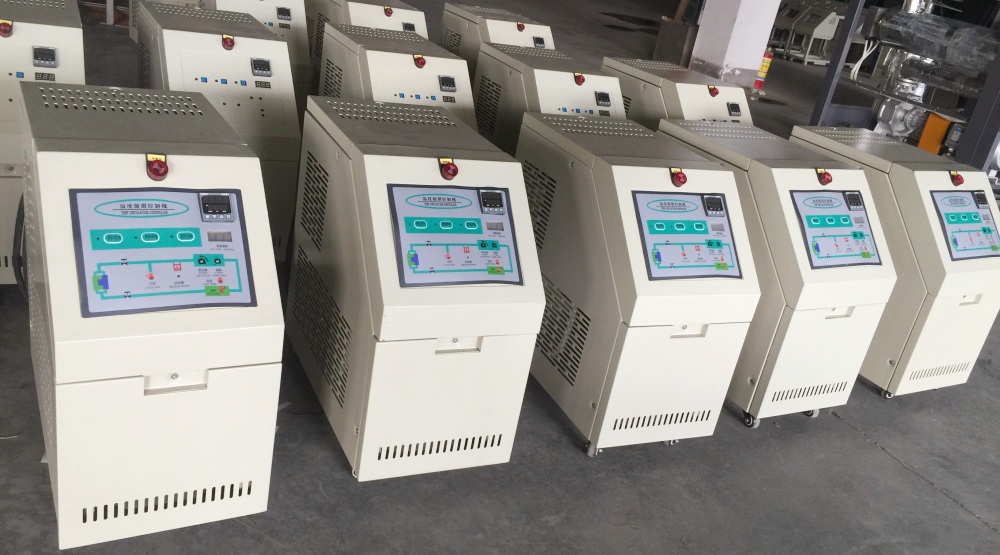
Когда на линии по производству литиевых батарей обнаруживается проблема с контролем температуры, специалисты могут выполнить следующие действия:
Шаг 1: Подтвердите фактическое требование.
Записывать:
* Целевая температура
* Фактическая температура
* Допустимое отклонение температуры
* Требуемый поток
* Температура на входе в технологический процесс
* Температура на выходе из технологического процесса
Шаг 2: Проверьте регулятор температуры.
Проверять:
* Работа нагревателя
* Работа насоса
* Клапан охлаждения или функция охлаждения
* Записи о тревогах
* Давление
* Отображение температуры
Шаг 3: Проверьте систему циркуляции.
Проверить:
* Фильтры
* Клапаны
* Трубопроводы
* Связи
* Воздух в системе
* Скорость потока
Шаг 4: Проверьте датчик
Сравните показания контроллера с показаниями независимого измерительного прибора.
Шаг 5: Проверьте загрузку процесса.
Спросите, изменилось ли что-нибудь:
Шаг 6: Настраивайте параметры только после подтверждения работоспособности оборудования.
Регулировка ПИД-регулятора может помочь, но её не следует использовать для компенсации засора фильтра, недостаточного потока, неправильной установки датчика или недостаточной мощности оборудования.
7. Как повысить надежность регулирования температуры
Для производителей литий-ионных батарей надежность контроля температуры следует учитывать при выборе оборудования, а не только после возникновения проблемы. Техническим группам следует обращать внимание на следующие моменты:
Hengde InsightДля непрерывного производства аккумуляторов я бы не стал выбирать контроллер температуры пресс-формы, основываясь только на мощности нагрева. Насос и система циркуляции заслуживают такого же внимания, как и нагреватель. Мощный нагреватель не сможет компенсировать плохую теплопередачу, вызванную недостаточной циркуляцией.
Это особенно важно, когда один регулятор температуры подключен к нескольким технологическим точкам. Систему, возможно, потребуется оценивать как целостный тепловой контур, а не как отдельную машину.
8. Часто задаваемые вопросы: Контроллеры температуры пресс-форм в производстве литиевых батарей
Какой тип регулятора температуры пресс-формы подходит для производства литиевых батарей?
Это зависит от температуры процесса и требований к теплопередаче. Системы с водяным охлаждением обычно используются для процессов с более низкими температурами, тогда как системы с масляным охлаждением больше подходят для применений с более высокими температурами.
Почему температура колеблется, несмотря на то, что контроллер работает?
Перед тем как считать контроллер неисправным, проверьте расход воздуха, положение датчика, наличие воздуха в циркуляционном контуре, технологическую нагрузку и условия теплопередачи.
Почему скорость нагрева слишком низкая?
Проверьте теплоемкость, расход, теплопотери, длину трубопровода, технологическую нагрузку и состояние теплоносителя.
Как узнать, точен ли датчик температуры?
Сравните показания контроллера с показаниями откалиброванного независимого термометра, установленного в той же точке измерения или как можно ближе к ней.
Всегда ли более мощный регулятор температуры лучше?
Нет. Правильная система должна соответствовать фактической тепловой нагрузке, требованиям к циркуляции и технологической температуре. Завышение размеров системы без учета системы циркуляции не гарантирует автоматического улучшения контроля температуры.
Заключение
Проблемы с регулированием температуры при производстве литиевых батарей редко вызваны одним единственным компонентом. На конечную температуру влияют контроллер температуры пресс-формы, циркуляционный насос, датчик, система трубопроводов, теплоноситель и производственный процесс.
Для технических специалистов и сотрудников отдела послепродажного обслуживания наиболее эффективным подходом является сначала проведение измерений, выявление проблемы, а затем корректировка или замена компонентов.
Этот метод не только помогает быстрее решать существующие проблемы контроля температуры, но и предоставляет полезную информацию для выбора подходящего оборудования для контроля температуры на будущих производственных линиях.
Для применения в литий-ионных батареях компания Hengde поставляет воду и масло. Регуляторы температуры пресс-форм Разработаны для различных требований к технологическим температурам, с возможностью индивидуальной настройки в зависимости от мощности нагрева, расхода, диапазона температур и условий применения.
ТЕГИ :
WhatsApp : +8618351969707
Электронная почта : sales@sinohengde.com
Адрес : No.1 Jiangyang Line, Hongqi community, Hengxi Street,Jiangning, Jiangsu, China